
Historic County Seat on the Colorado
Listings in Bastrop, TX
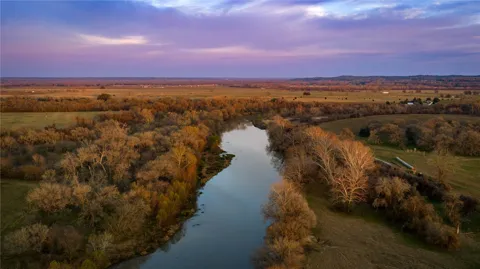
Bastrop is a city in Bastrop County, Texas, and serves as the county seat, located along the Colorado River roughly 30 miles southeast of Austin. It is among the oldest municipalities in Texas, with roots stretching back to early Anglo settlement in the region, and its carefully preserved downtown reflects that long history. More than 130 documented historical sites are found in and around the center of town, and the historic district along the riverfront is filled with a blend of restored storefronts, shops, restaurants, and civic buildings. The city's defining natural feature is the Lost Pines, a stand of loblolly pines that is isolated from the main pine forests of East Texas by a wide stretch of drier country. This gives Bastrop a wooded, East Texas character distinct from much of the surrounding Hill Country and prairie. Bastrop State Park, one of the earliest Civilian Conservation Corps parks in Texas, protects a large portion of that pine landscape and has been a regional recreation destination for more than seven decades. Bastrop is also positioned directly in the path of Austin's eastward growth. Highway 71 provides a fast link to southeast Austin, Austin-Bergstrom International Airport, and major employment centers, which has drawn new residential development to the city's edges while the historic core holds its small-town character. The Colorado River runs through the community, supporting paddling and riverside parks, and the nearby Hyatt Regency Lost Pines Resort adds a resort component to the local economy. With about 14,000 residents, Bastrop has grown considerably from its small-town past while retaining a strong sense of identity as a historic river town. It appeals broadly to families seeking the Bastrop Independent School District, commuters who want a more spacious and affordable setting within reach of Austin, and retirees drawn to the river, the pines, and the slower pace.

Get more information about Bastrop
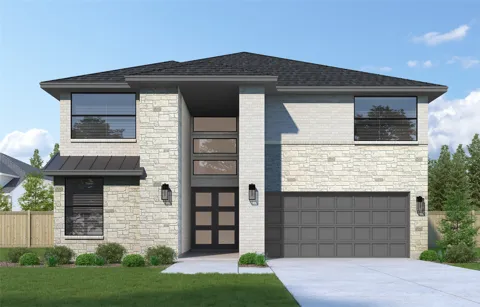
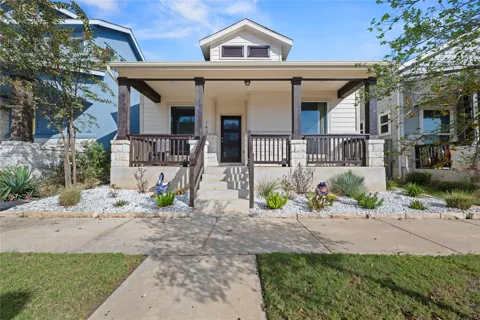
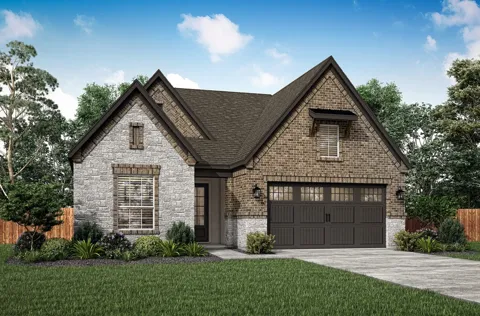
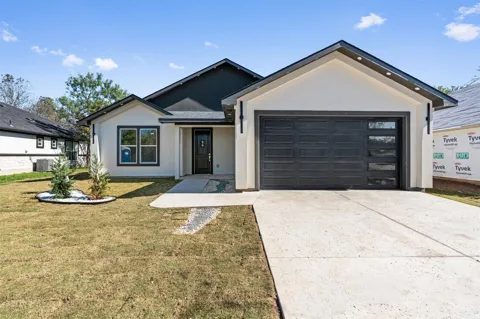
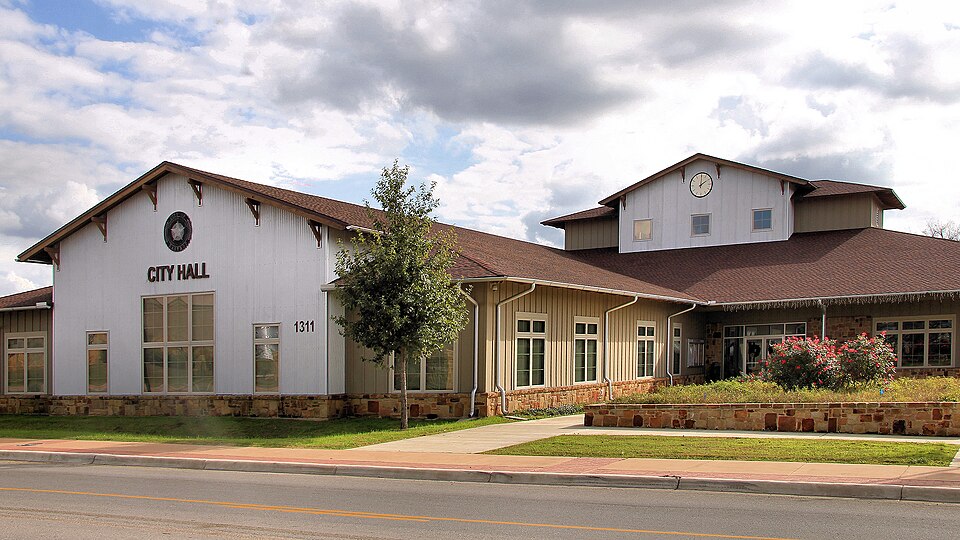 4 photos
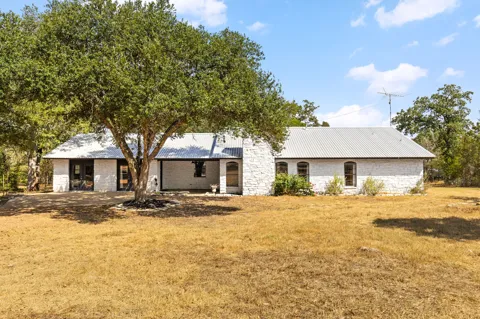
Houses in Bastrop, TX
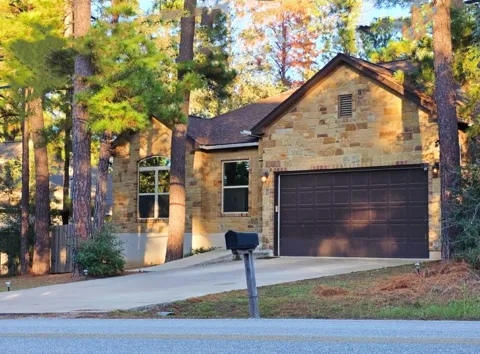
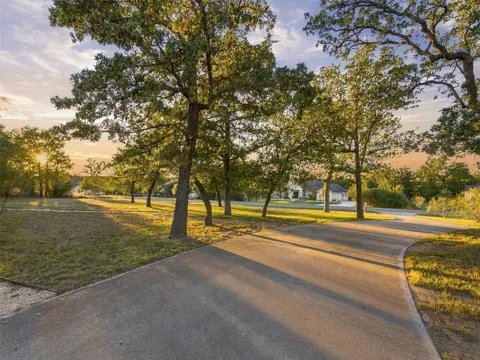
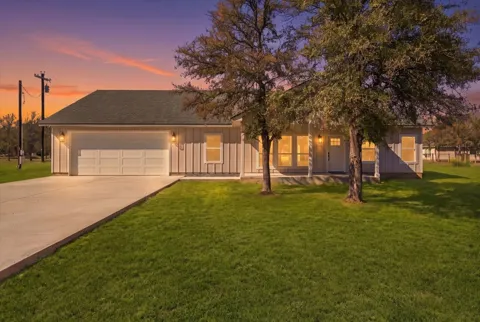


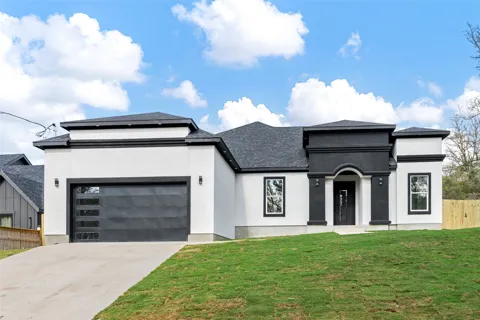
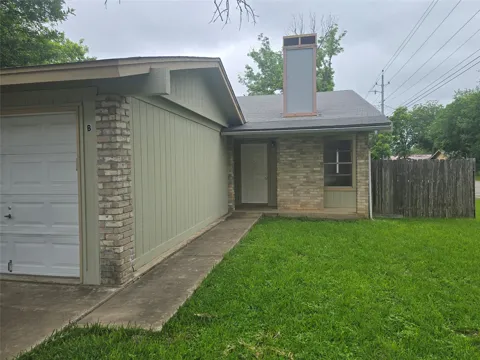
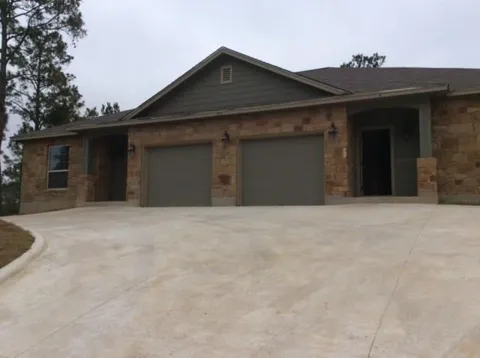
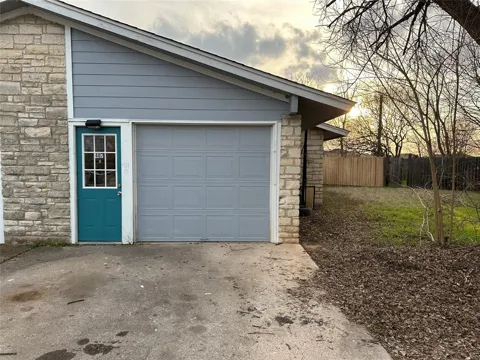
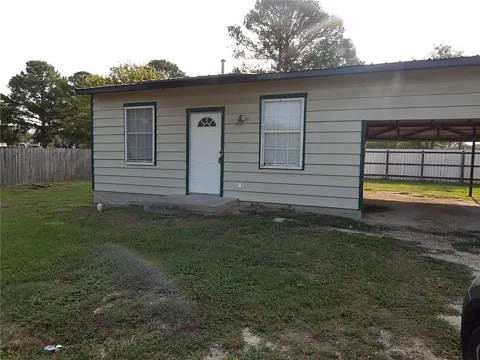
Townhouses & Duplexes in Bastrop, TX
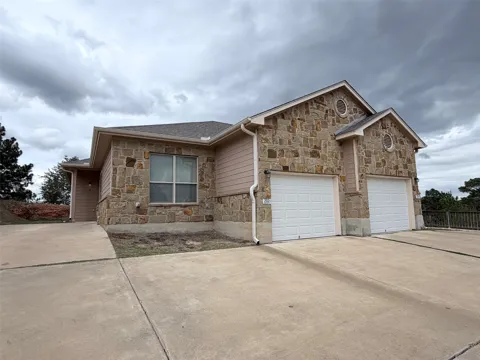
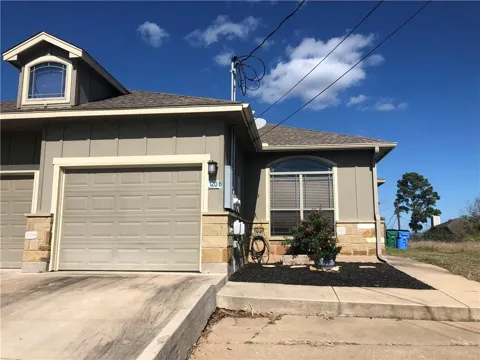
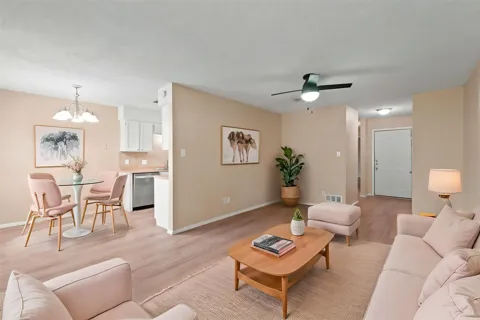
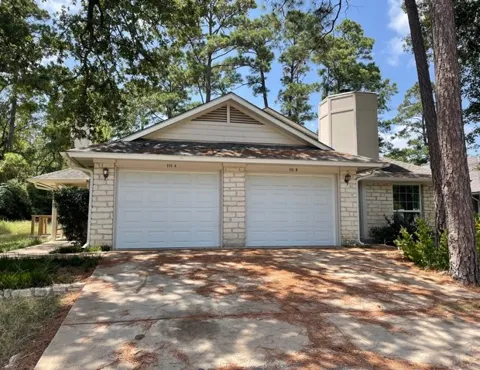
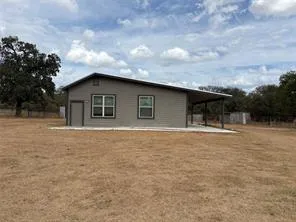
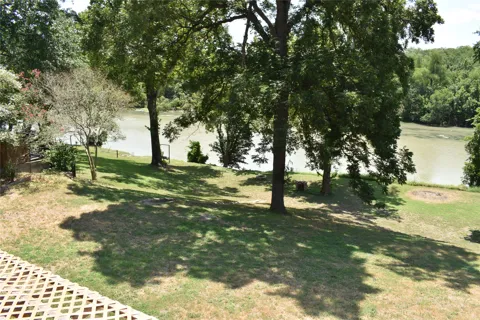
Condos & Apartments in Bastrop, TX
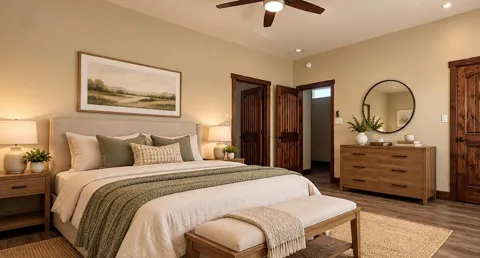
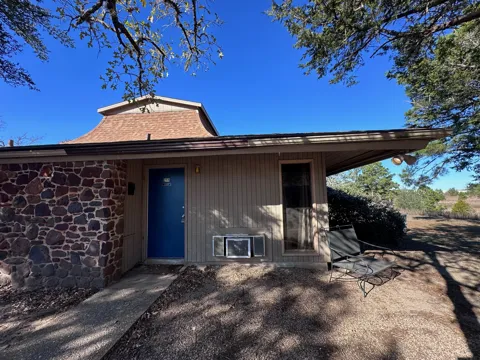
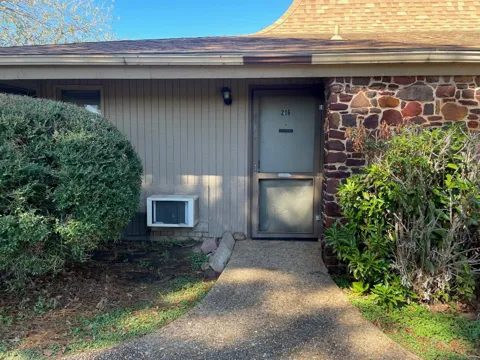
For Rent in Bastrop, TX


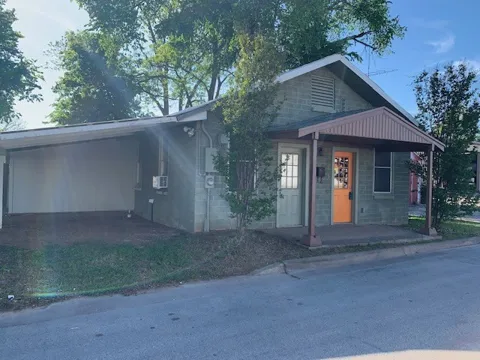

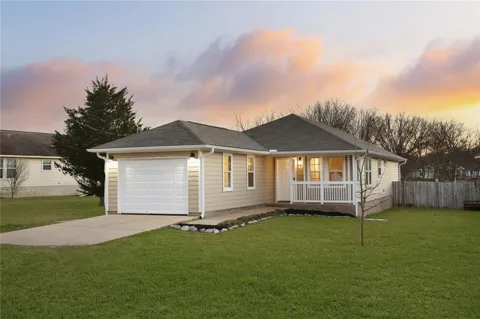
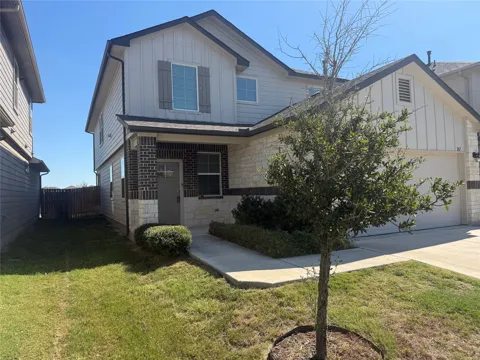
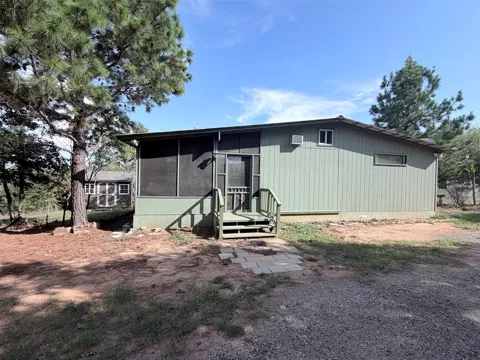
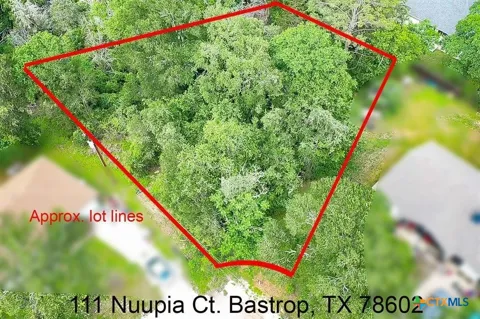
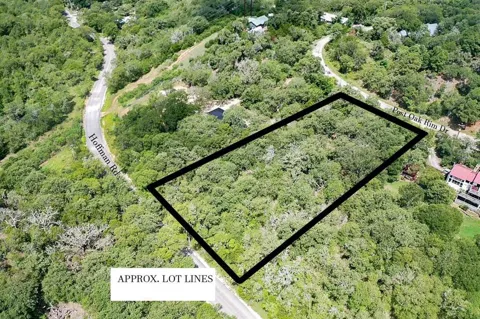
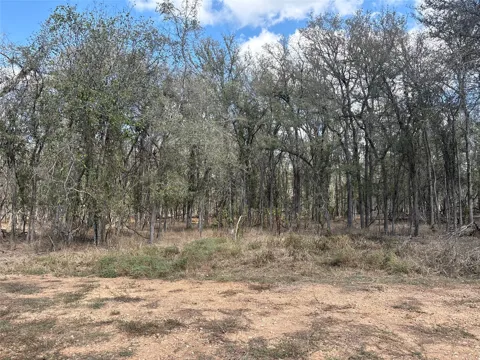
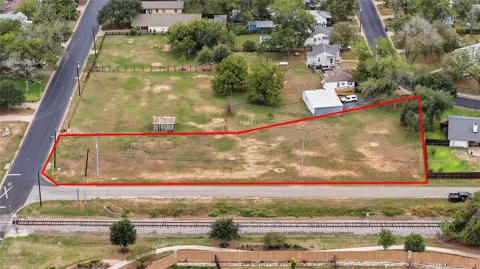
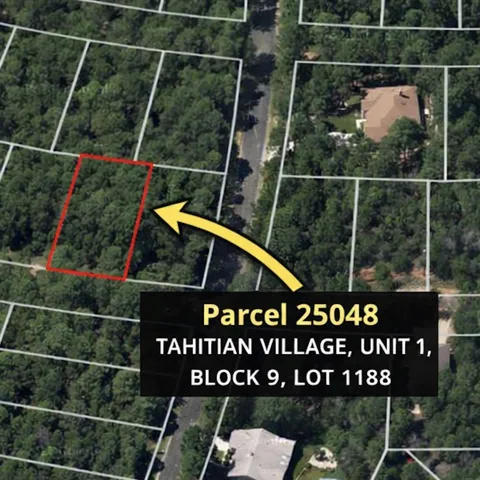
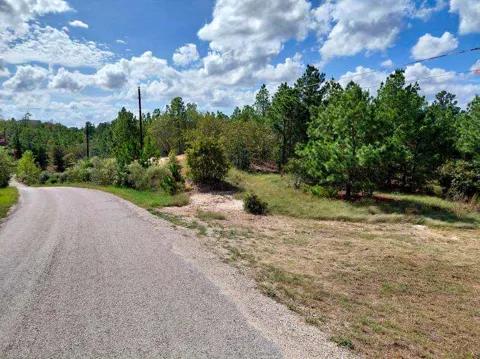
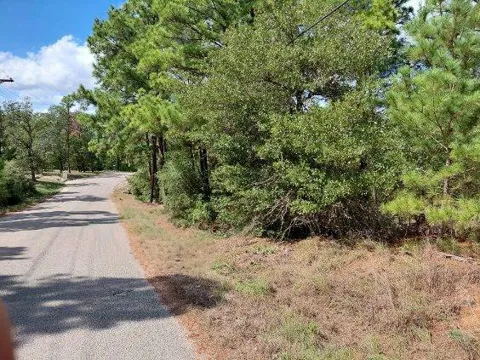
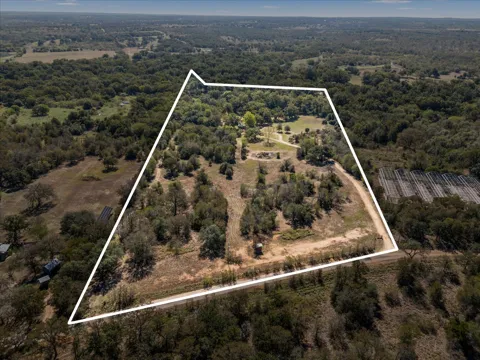
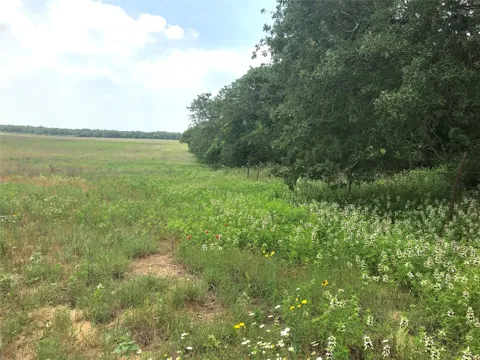
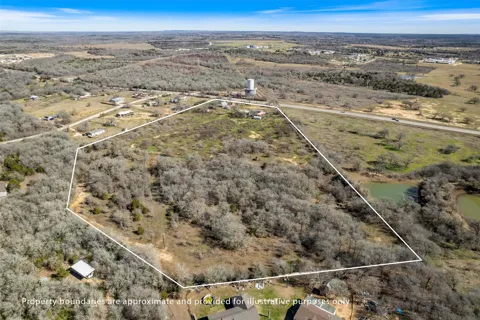
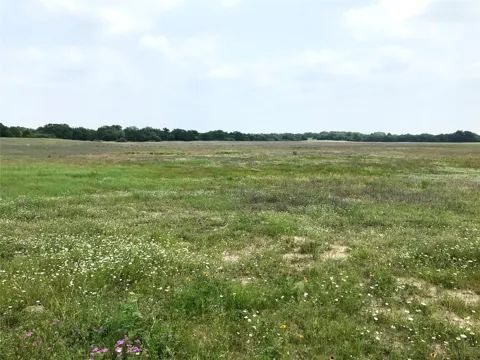
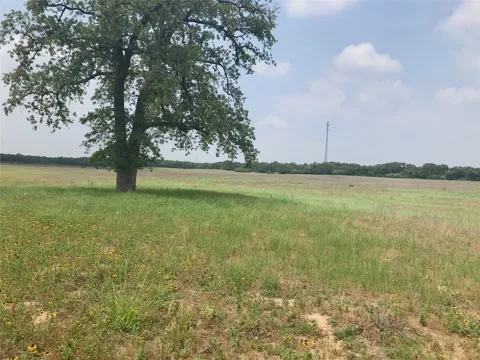
Lots & Land in Bastrop, TX
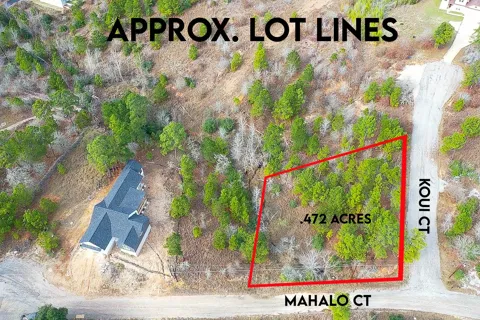
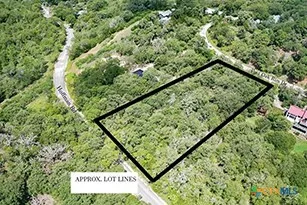
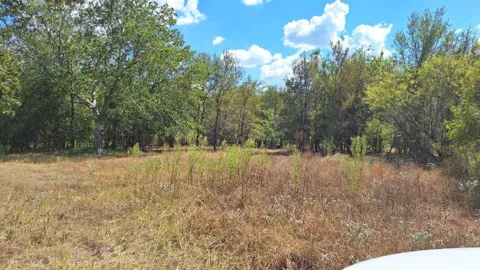
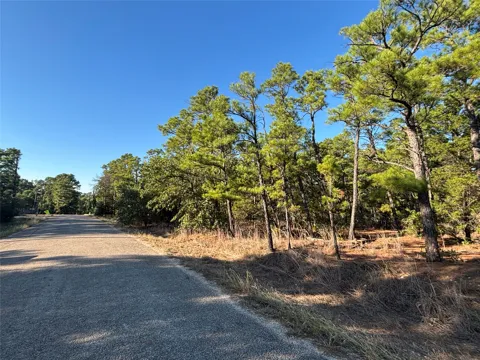
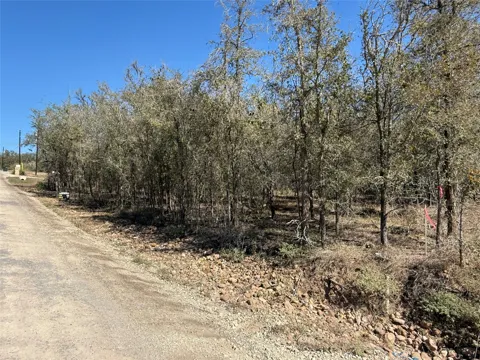
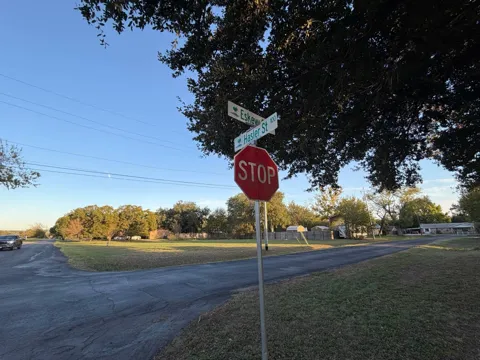
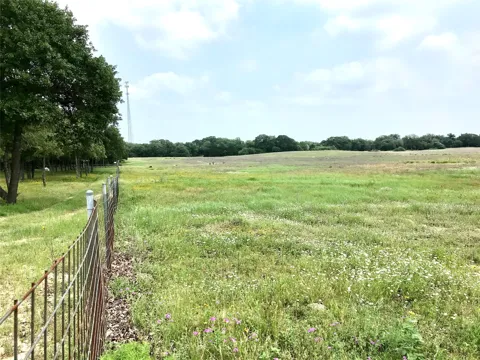
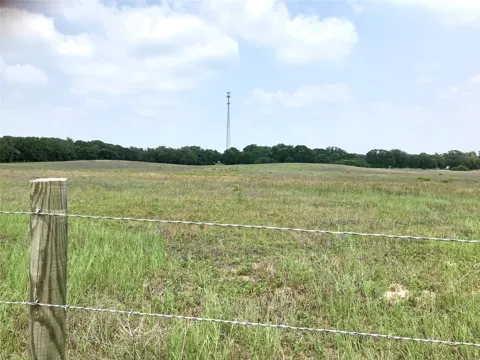
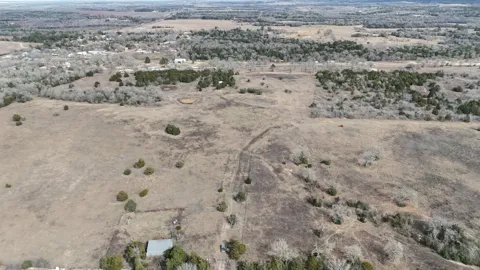
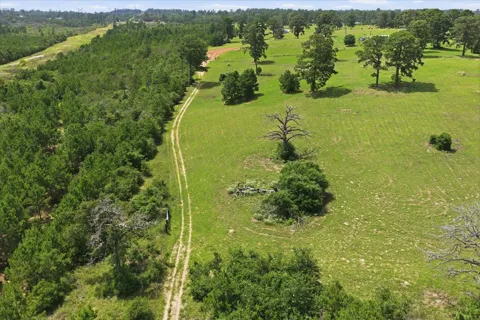
Farms & Ranches in Bastrop, TX
MARKET SNAPSHOT
The Market at a Glance
How homes have been selling here over the last 90 days.
Price & Sales History
Market data reflects closed sales over the last 90 days and is provided for informational purposes.
Explore Communities
Subdivisions
Browse the neighborhoods and subdivisions in this area.
Zip Codes
BROWSE BY ZIP
Browse listings by postal code in this area.
City Guide
About Bastrop
Real Estate & Housing
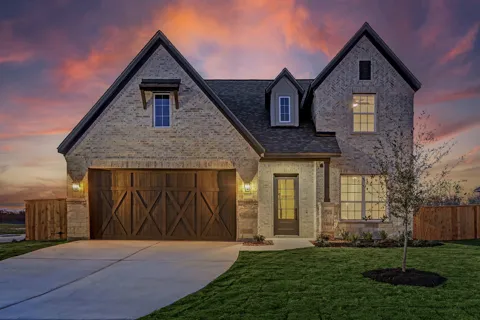
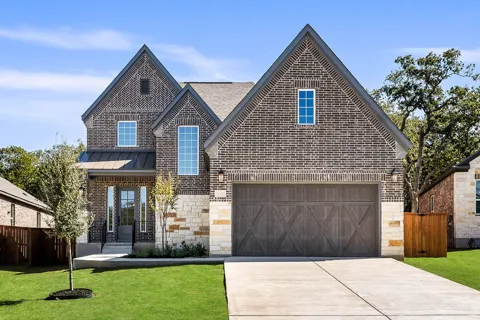
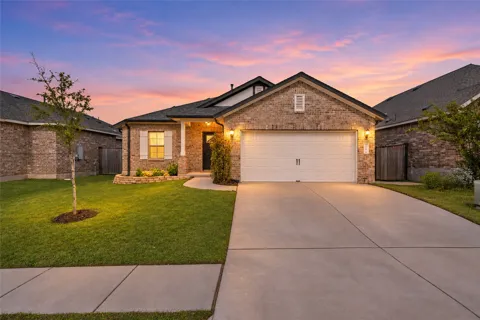
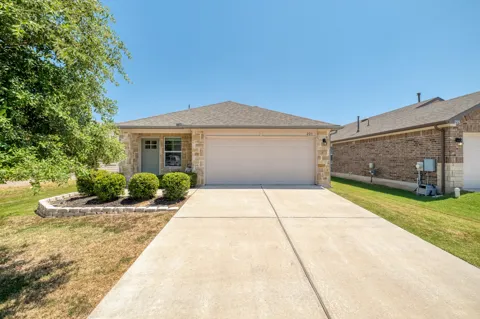
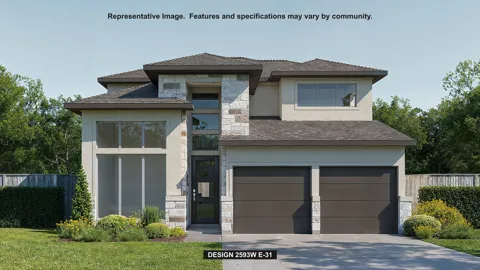
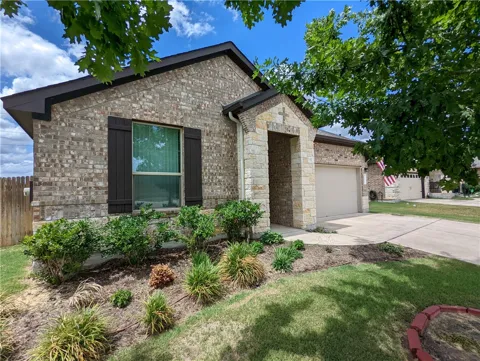
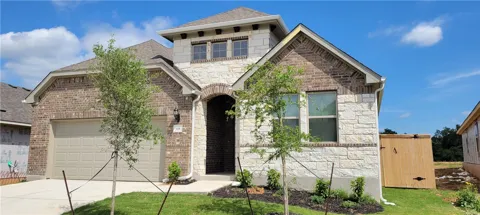
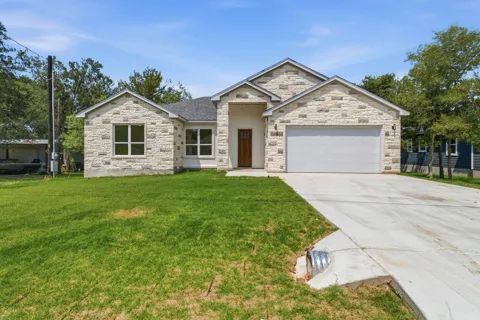
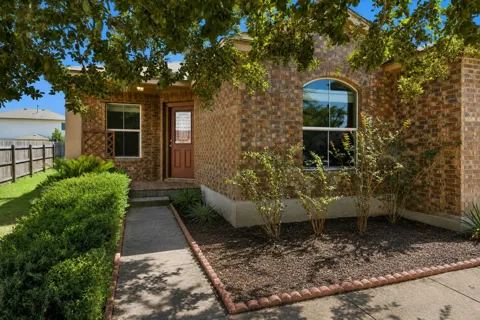
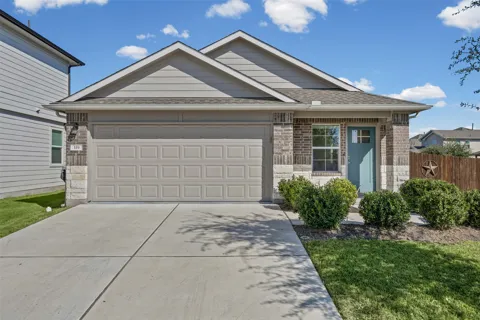
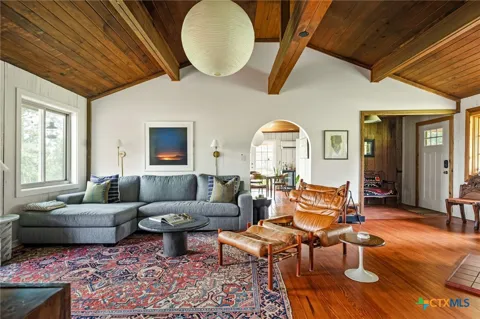
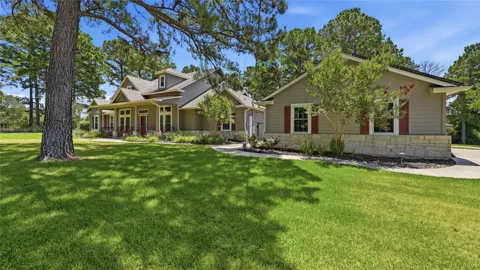
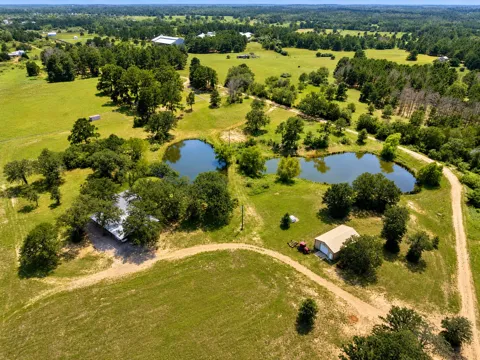
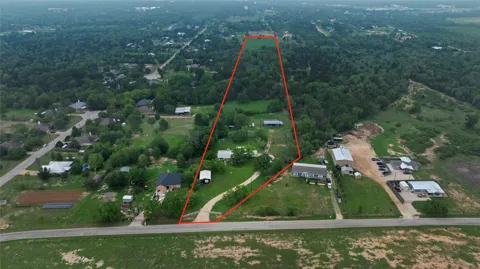
Bastrop's housing stock spans more than a century of construction. The historic center contains older, character-rich homes, including restored Victorian and early-20th-century houses near the downtown riverfront. Surrounding those older blocks, mid-century ranches and established neighborhoods fill out the central city. On the outer edges, the Austin area's growth has brought newer subdivisions with contemporary single-family homes, along with some townhome and acreage properties in the surrounding countryside. The Lost Pines setting means many lots carry mature pines and a wooded feel that sets the market apart from the open prairies and limestone terrain found elsewhere in Central Texas. The result is a mix that ranges from historic downtown living to newer master-planned communities on the city's perimeter.
Neighborhoods
The historic downtown district is Bastrop's centerpiece, a riverfront commercial and residential core that preserves the city's 19th-century layout and architecture. Nearby older neighborhoods contain many of the 130-plus historic sites cataloged by local preservation groups, giving the central city a layered, house-by-house sense of history. As development has accelerated, newer subdivisions have expanded the city outward, particularly along the Highway 71 corridor and to the west and south, offering contemporary housing and community amenities. The surrounding Bastrop County landscape, including the Cedar Creek area and communities near the Lost Pines, extends the city's reach with a mix of ranch land, acreage, and additional residential growth tied to the broader Austin metro.
Lifestyle in Bastrop
Life in Bastrop balances a genuine small-town feel with growing access to Austin. The downtown's independent shops, restaurants, and historic storefronts anchor local life, and community events frequently center on the river and the historic district. The Colorado River is woven into daily recreation, with paddling, fishing, and riverside parks drawing residents year-round. The Lost Pines and Bastrop State Park support an active outdoor culture of hiking, camping, and wildlife watching. At the same time, the city's position along Highway 71 means restaurants, entertainment, and employment in Austin are within reach for those willing to commute, giving Bastrop a hybrid character that appeals to both longtime locals and newcomers seeking more space than central Austin typically offers.
Schools & Education
Bastrop Independent School District serves the city and much of Bastrop County. Elementary students attend Adelton, Colony Oaks, Emile or Mina Elementary; the Emile campus carries the name of the town's historic Black high school, which operated from 1893 until 1969. Sixth through eighth graders move to Bastrop Middle School or Riverside Middle School, and all students feed into Bastrop High School. The district has grown rapidly with the county and now operates a broad slate of athletics, fine arts and career and technical programs. Austin Community College offers night and continuing-education classes at Bastrop High School, and the wider Austin college network is about 30 miles northwest.
Getting Around
Bastrop's primary transportation link is Highway 71, a major east–west corridor that connects the city directly to Austin-Bergstrom International Airport, southeast Austin, and central Austin. The drive to central Austin is commonly about 40 to 45 minutes depending on traffic, and the corridor also provides access to employment centers on Austin's east side. Public transit between Bastrop and Austin is limited, so most residents rely on personal vehicles for commuting. Within the region, state highways and county roads link Bastrop to surrounding towns and to other Central Texas destinations such as Lockhart and Smithville. The airport's proximity is a notable convenience, putting national and international flights within a short drive.
Parks & Recreation
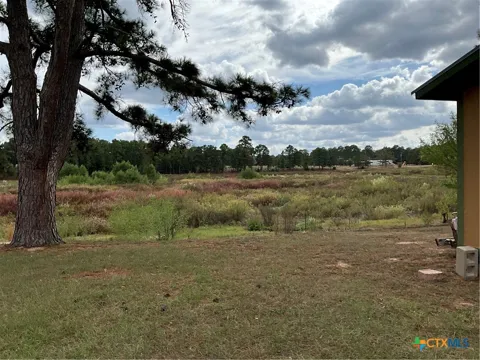
Bastrop's recreation is anchored by the Lost Pines, the westernmost stand of loblolly pine forest in the South, which surrounds the town and gives the region its distinctive look. Bastrop State Park sits on the eastern edge of town with trails, a public swimming pool and CCC-era stone structures, and Lake Bastrop a few miles northeast offers fishing, boating and two LCRA parks. In town, Fisherman's Park and Minerva Delgado Park both have splash pads, while Bob Bryant Park, Ferry Park and Kerr Community Park add ball fields, river access and playgrounds. The Colorado River runs along the west side of downtown, and the city's Main Street arts district hosts a monthly First Friday Art Walk.
About Bastrop
Frequently asked questions
What county is Bastrop in?
Bastrop is in Bastrop County, Texas, and serves as the county seat. The city lies along the Colorado River about 30 miles southeast of Austin, making it both a historic small town and an increasingly connected part of the greater Austin metropolitan region.
How far is Bastrop from Austin?
Bastrop is roughly 30 miles southeast of Austin, with the drive to central Austin typically taking about 40 to 45 minutes via Highway 71 depending on traffic. The same corridor provides convenient access to Austin-Bergstrom International Airport and employment centers on Austin's east side, which makes Bastrop a practical base for commuters.
What are the Lost Pines?
The Lost Pines are a stand of loblolly pine trees isolated from the main East Texas pine forests by a wide band of drier country. They give Bastrop a wooded, East Texas character unlike much of the surrounding Central Texas landscape. Bastrop State Park protects a large portion of the Lost Pines and offers miles of trails, camping, and wildlife habitat.
What school district serves Bastrop?
Bastrop is served by Bastrop Independent School District, which operates elementary, middle, and high schools across the city and much of the surrounding county. Bastrop High School anchors the city, while Cedar Creek High School serves the eastern part of the district. Families relocating should verify specific attendance zones for a given address.
What is there to do in Bastrop?
Bastrop offers a historic downtown with shops and restaurants, more than 130 documented historical sites, and extensive outdoor recreation. Residents kayak and fish on the Colorado River from spots like Fisherman's Park, hike and camp in Bastrop State Park, and explore trails at McKinney Roughs Nature Park. The nearby Hyatt Regency Lost Pines Resort adds resort amenities to the area.
Still have questions about Bastrop?
Get in touchExplore the area